

The rule of three in interior styling
In interior styling, it’s often the simple tricks that make the biggest impact. The rule of three is one of these, an easy way to make a space feel balanced, layered, and visually engaging. It’s not about perfect symmetry; it’s about creating areas that feel natural, considered, and effortlessly put together. Grouping objects in threes, or any odd number, instantly adds harmony and interest to a room.
We spoke to our team to share their tips on how to use this rule when styling your own home.
Q. So, what exactly is the rule of three?
Simply put, it’s a styling rule where furniture and décor are arranged in groups of three to create spaces that feel balanced, natural and visually interesting. Whether it’s playing with varying heights, mixing textures or working within a colour palette, grouping pieces in threes or odd numbers helps a room feel cohesive without looking overly styled.
Q. How do I achieve this in my home?
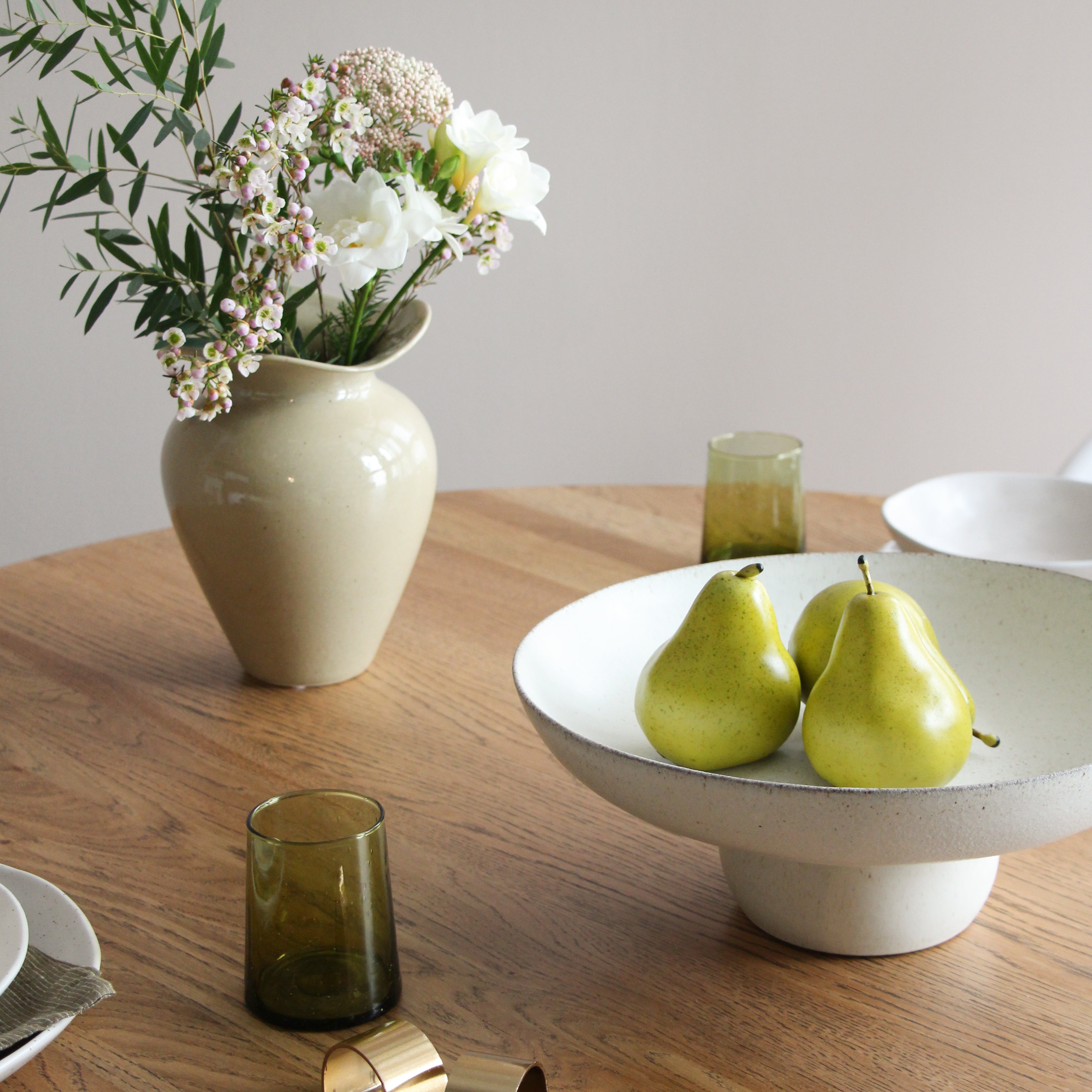
The key is to play with shape and scale. When styling a trio of similar objects, whether on a coffee table or a shelf, varying their height, form and proportions adds depth and visual interest.
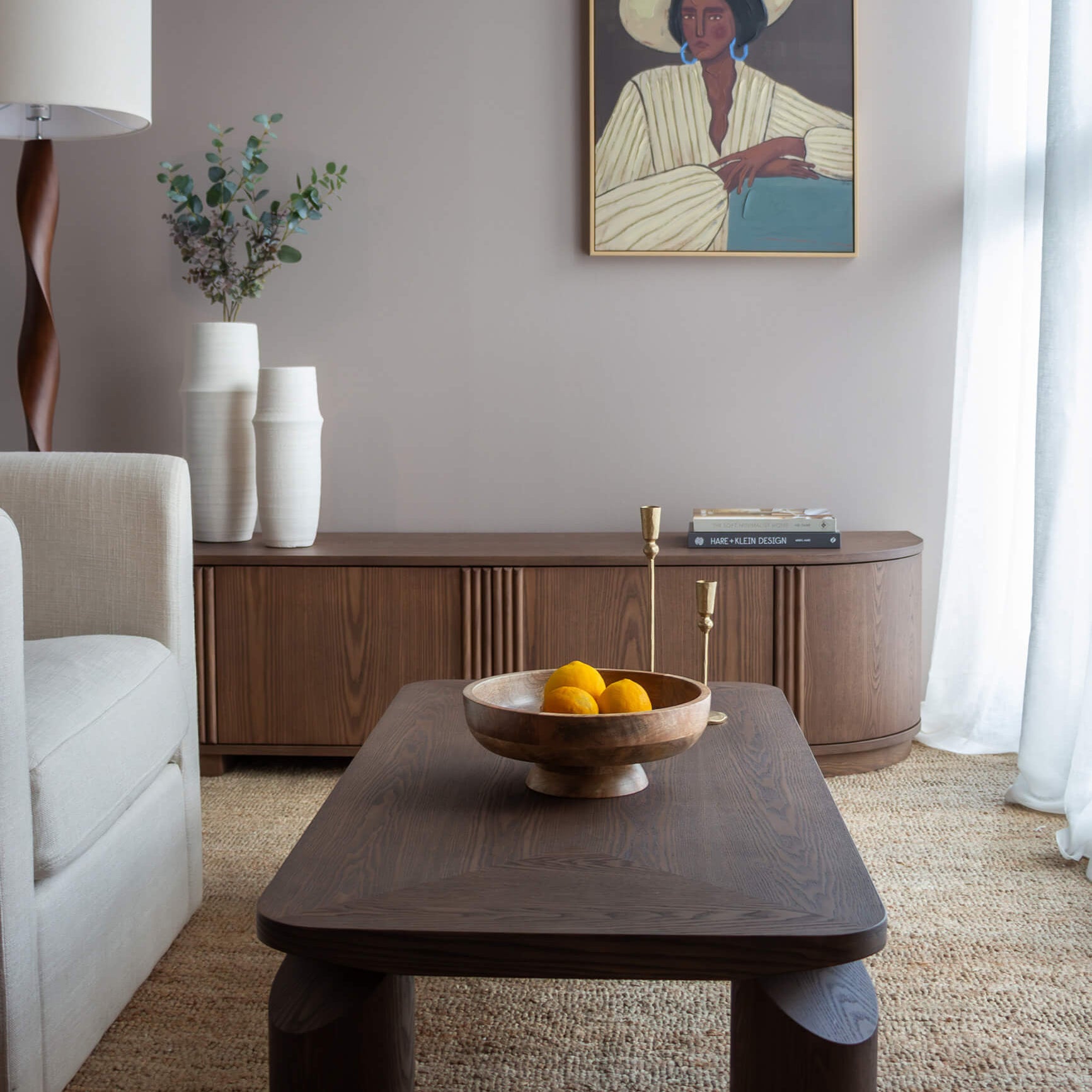
For example, in the coffee table styling below, we’ve played with contrasts. A stack of coffee table books sits low and flat, a vase stands tall, and the smaller, lower candle sits in between. Together, the trio creates a dynamic, balanced moment that feels thoughtfully curated yet effortlessly natural.
Q. How does the rule of three apply to furniture layout
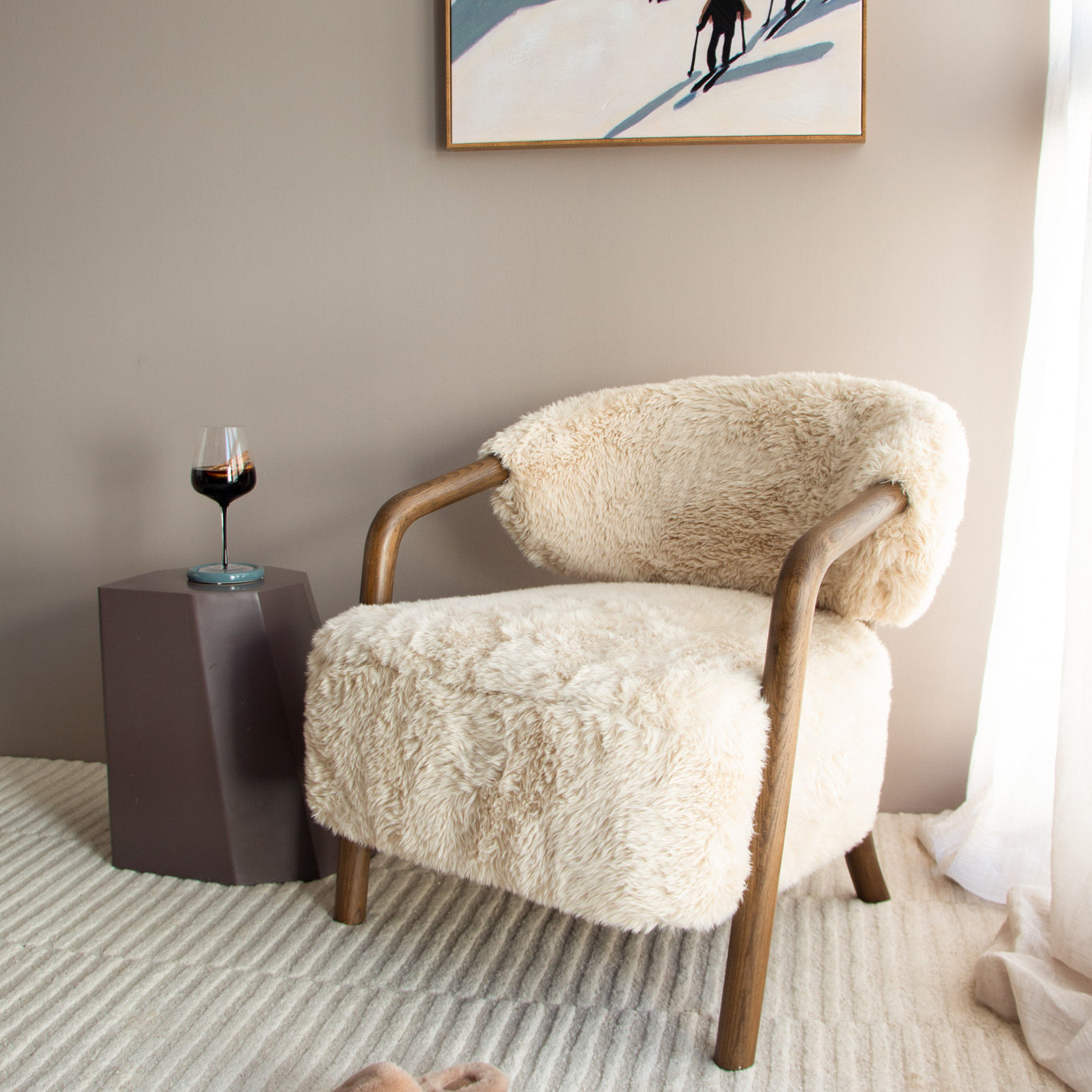
Using the rule of three when arranging furniture can help a room feel grounded and avoid empty spaces. Just like with smaller décor, it’s all about mixing shapes and scale. Think a large sofa, an interesting, shaped accent chair (here we have gone with a rounded chair) and a coffee table that combines curves and straight lines, together, they create a sense of flow and effortless balance.
Q. How do you apply the rule of three to colour in a space?
You can certainly mix in more than three colours but focusing on three main tones keeps a room feeling harmonious and easy on the eye. Here we have focused on three tones.
Another simple way to do this is with the 60-30-10 rule, which works beautifully alongside the ‘Rule of Three’. Roughly 60% of the room is your main colour, 30% a secondary tone, and the final 10% an accent.
For example, we’ve kept our Oatmeal Mason Sofa, Wall colour and Rug in a Neutral Colour (60% Main colour) with touches of Black in our Coffe table (30% secondary tone) & the final accent (10%) is green: the olive tree, a cushion, and a throw. Together, they create a layered, balanced look that feels effortless.
Q. Tell us more about the 60-30-10 rule?
Don’t worry too much about exact percentages - think of it as a guide rather than a strict formula.
60% – Primary/Dominant Colour (The Backdrop): Typically walls, large rugs, or major furniture pieces, setting the overall tone.
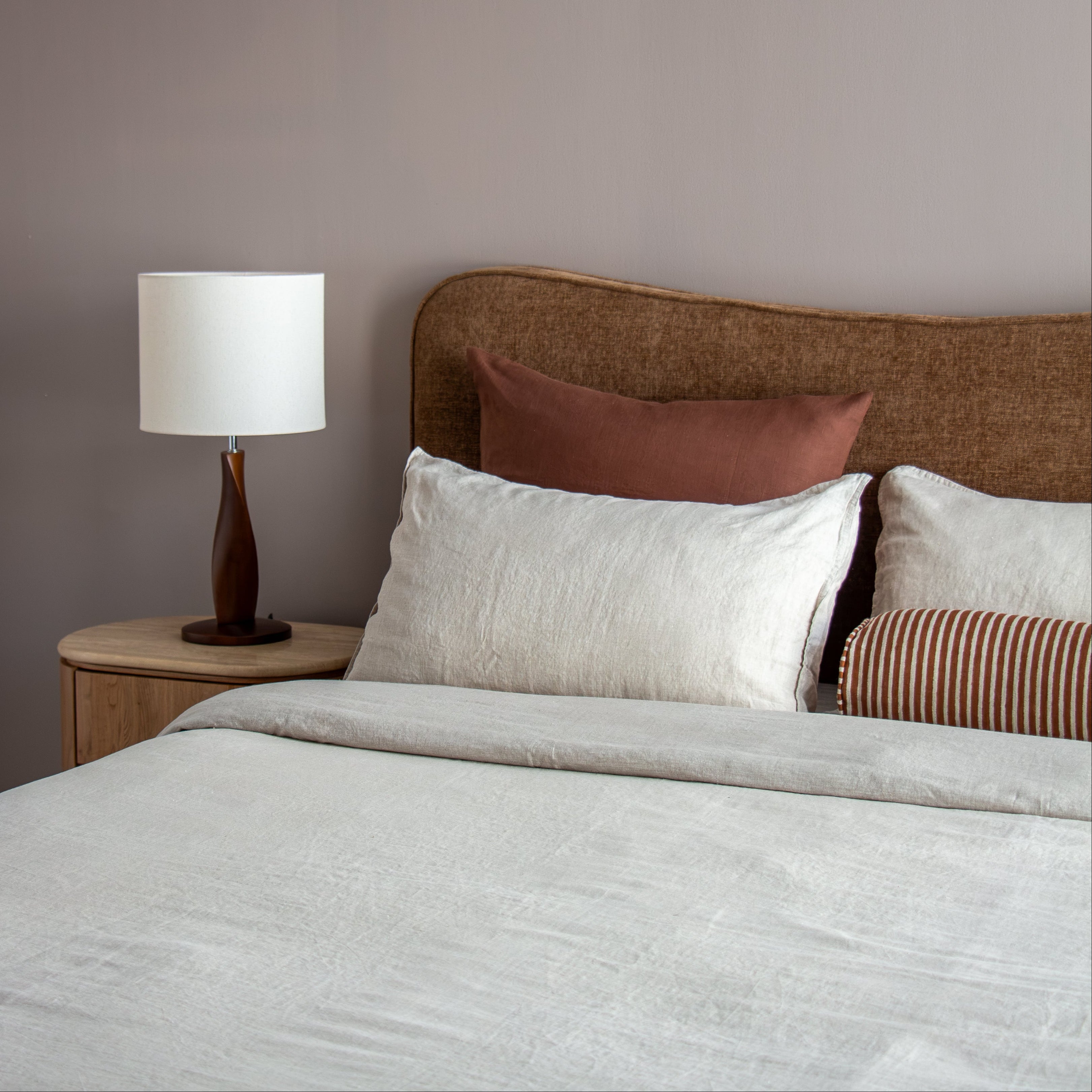
30% – Secondary Colour (The Interest): Adds depth and contrast, usually through furniture upholstery, drapery, bedding, or an accent wall.
10% – Accent Colour (The Pop): Adds personality and flair via smaller accessories like cushions, artwork, lamps, or décor items.
This approach keeps one colour from dominating the space, creating a harmonious, considered look.